Why Does a Professional Pillow Look Better? The Secret Is in the Allowances

One of the most common questions we hear from clients is why professionally made pillows and cushions seem to look fuller, cleaner, and more tailored than many store-bought versions.
The answer often comes down to something most people never see: allowances.
In upholstery and soft furnishings, allowances affect everything from how a cushion fits to how long it maintains its shape. They're one of those small details that quietly separate a professionally crafted piece from an average one.
What Is a Seam Allowance?
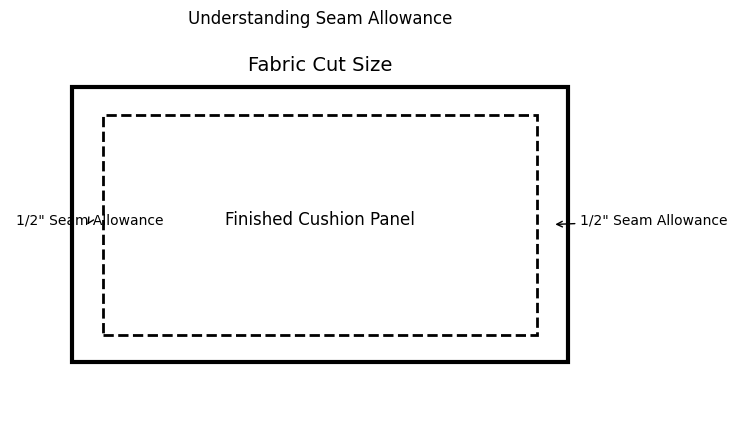
A seam allowance is the distance between the edge of the fabric and the stitch line.
While some workrooms use a 1/4" seam allowance, we typically use a 1/2" seam allowance in our shop. This provides a little more flexibility during fabrication, allows for small adjustments when needed, creates stronger seams, and leaves additional material available for future repairs.
It may not sound like much, but when you're pattern matching fabrics, building large window cushions, or fabricating custom pillows, those extra fractions of an inch can make a meaningful difference.
Why Inserts Are Often Larger Than the Pillow Cover
Many people assume that a 20" x 20" pillow cover should use a 20" x 20" insert.
In reality, most professional workrooms intentionally use inserts that are larger than the finished cover.
For example:
20" x 20" pillow cover → 22" x 22" insert
22" x 22" pillow cover → 24" x 24" insert
This creates what upholsterers call a "full" pillow.
The slightly oversized insert helps fill the corners, prevents a saggy appearance, improves support, and gives the pillow that luxurious, showroom-quality look many people are after
Without sufficient fill, pillows tend to look flat and lose their shape quickly.
Cushion Covers and Foam Follow Similar Principles
The same concept applies to seat cushions and bench cushions.
A cushion should never feel loose inside its cover. At the same time, the foam should not be so oversized that it places unnecessary stress on the seams and zipper.
Achieving the right fit requires balancing:
Foam density
Dacron wrap thickness
Fabric type
Finished dimensions
Cushion style
This is why a professional upholsterer may adjust foam sizing and wrapping differently depending on the project.
The Role of Dacron
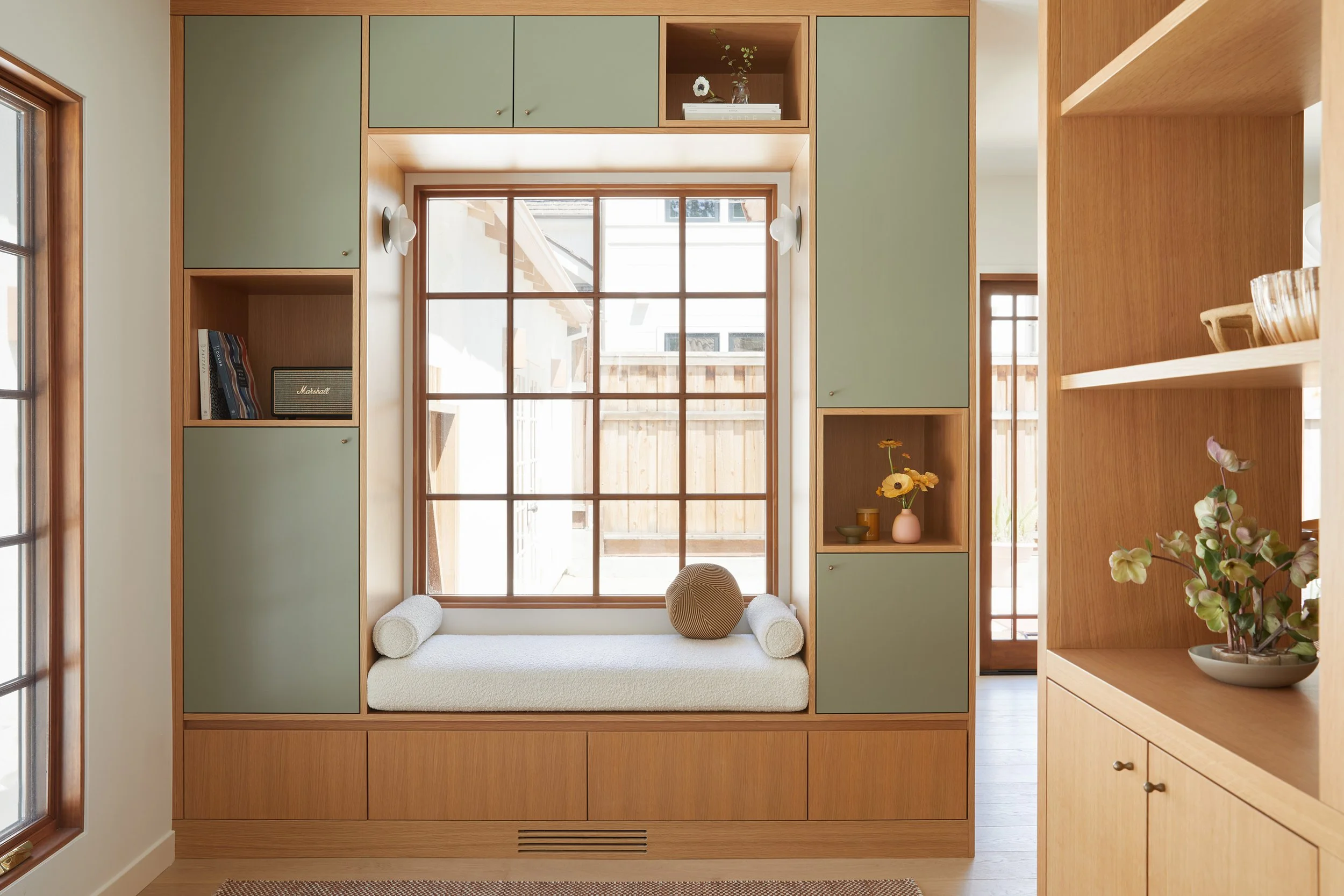
Many custom cushions include a layer of Dacron wrapped around the foam.
Dacron serves several important functions:
Softens the feel of the foam
Reduces wrinkling
Creates smoother edges
Improves shape retention
Helps fill the cushion cover properly
The result is a cushion that feels more comfortable and maintains a cleaner appearance over time.
Why These Details Matter
Most people notice when a pillow looks beautiful.
Few people realize why.
Often, the difference comes from thoughtful decisions made long before the fabric is sewn together. Proper seam allowances, correctly sized inserts, quality foam, and carefully chosen fill materials all contribute to the final result.
At Aby's Custom Upholstery, we believe craftsmanship lives in the details. While these details may be hidden from view, they're often the reason a custom cushion or pillow looks, feels, and performs better for years to come.